Blog
What That Noise Is Actually Telling You
Joplin homes built mostly between 1971 and 2004 develop specific noise patterns as original hardware ages. Here's what grinding, popping, and slapping sounds tell you.
The Common Mistake
Most homeowners around Joplin wait until the door won't open at all before calling anyone. By then the noise that would've told us what was wrong six months earlier is long gone, and we're diagnosing blind. A lot of the housing stock here went up between 1971 and 2004, with the heaviest concentration in the 1980s and 90s across the fourteen areas we work - Duquesne, Leawood, Webb City, Duenweg, Carterville, and the rest. That means a huge share of doors in this area are running original rollers, original hinges, or a first-generation opener that's now 25 to 40 years old. A noise on a door that age isn't background hum. It's a part telling you it's near the end of its life, and ignoring it just moves the failure from "inconvenient" to "door stuck down with the car trapped inside." The mistake isn't not knowing what the noise means - it's assuming noise is normal because the door has always made some sound. Doors built in that era, run on their original hardware for three or four decades, don't make normal sound anymore. They make noises that mean something.
The Problem
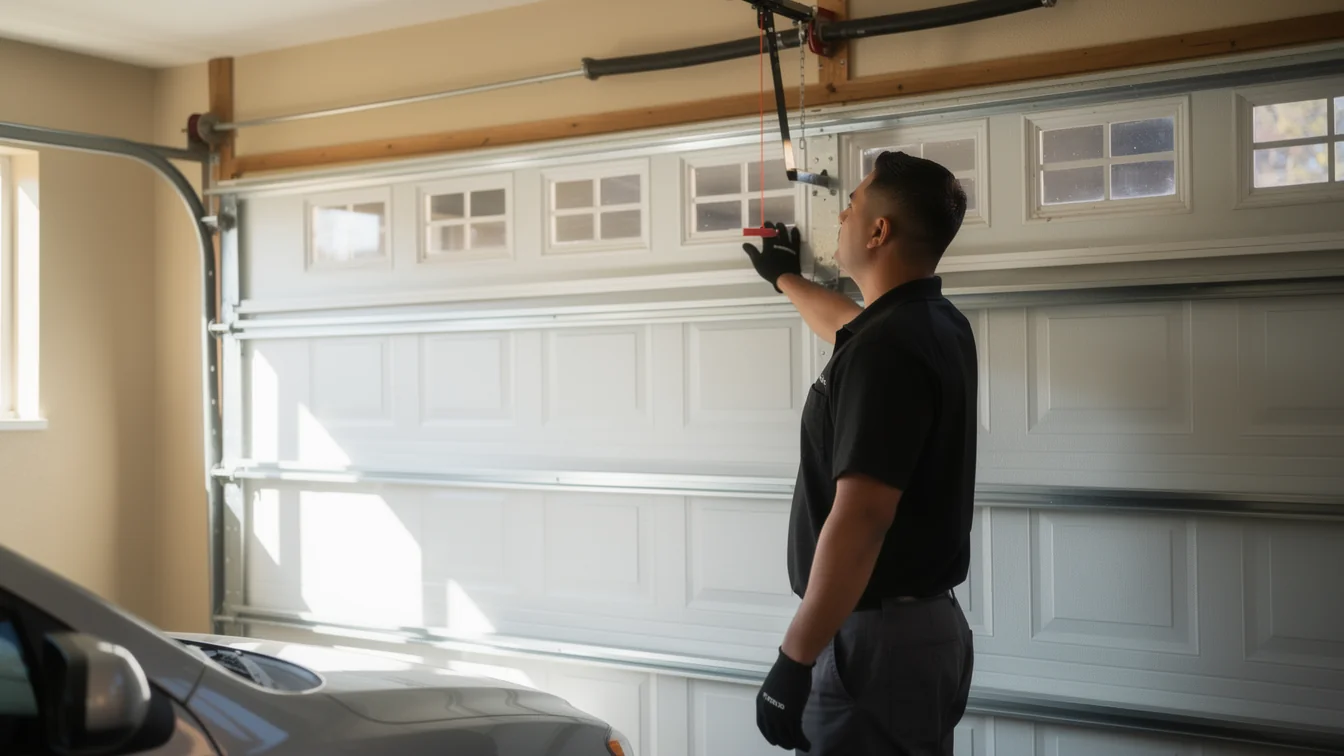
Here's the actual issue: a door installed any time between 1971 and 2004 was built to a different spring cycle rating and a different steel gauge than what goes in today. Nobody's restocking those exact parts anymore, so when a roller or hinge on one of these doors starts complaining, you're not looking at a simple swap - you're looking at finding compatible hardware for a track and drum system that's a few decades out of production spec. A grinding sound usually means a roller bearing has gone dry or cracked. A sharp metallic pop, especially on a cold morning, is often a stressed or fatigued torsion spring giving you a warning before it lets go entirely. A rhythmic slapping as the door travels is frequently a bent track section that's been quietly getting worse. None of these fix themselves, and none of them are safe to keep running past the point they're telling you something. On a door this old, the parts that fail are the parts that were never meant to run this long in the first place.
What Local Conditions Do
Joplin sits in a cold, moderate climate band, and that matters more than people think for doors built in the 80s and 90s. Steel springs and hinges contract in cold weather, and on hardware that's already 20-plus years old, that contraction is often what pushes a fatigued part from "still holding" to "snapped." That's why so many spring failures around here cluster on the first hard cold snaps of the season rather than happening randomly - the metal was already near its limit, and the cold finished the job. Lubricant also behaves differently in the cold. Grease that was fine in August gets stiff by December, and a roller that was just slightly dry in summer starts grinding hard once temperatures drop. If your door has gone quiet-but-stiff as the weather's turned, that's not unrelated to the noise - it's the same aging hardware responding to the season. Original builders in this area weren't speccing doors for 40-plus years of Midwest winters; they were speccing them for a normal service life that a lot of these doors have now exceeded.
When to Get Help
Call as soon as you hear something new, not after it's gotten worse. A grinding roller is a same-visit fix. A popped spring is not something to force through with the opener - that's how cables snap and doors come down hard. If your house falls into that 1971-2004 build window and you haven't had the hardware looked at, a noise is your cue, not something to put off until spring. One honest limitation: if the track is badly bent or the door panel itself is cracked or rusted through, we're not going to patch it just to patch it - at that point replacement is the honest answer, and we'll tell you that instead of running up a repair bill on a door that's done. Most noise complaints, though, are a single worn part, and those we can usually handle the same day.
Questions
Common questions
My garage door makes a loud pop when it's cold out. Is that serious?
Yes, treat it as serious. A sharp metallic pop in cold weather is often a torsion spring under stress, especially on older hardware common in Joplin's 1980s and 90s housing stock. Cold makes already-fatigued steel more likely to fail. Stop using the door and get it looked at before the spring lets go while the door's in motion.
Why does my door only grind in the winter?
Lubricant stiffens in cold weather, and rollers that were only slightly dry in summer start grinding hard once temperatures drop. On a door that's 20 or more years old, that stiffness also means more friction on bearings that are already worn, which is why the noise shows up seasonally rather than year-round.
Is it worth fixing an old door or should I replace it?
Depends what's wrong. A worn roller, hinge, or spring on an otherwise sound door is a straightforward repair. But if the track is bent badly or the panel's cracked or rusted through, repair just delays a bigger cost - we'll tell you honestly when replacement makes more sense than patching.
Recommendation
You Might Also Like
More garage door guides for Joplin homeowners.
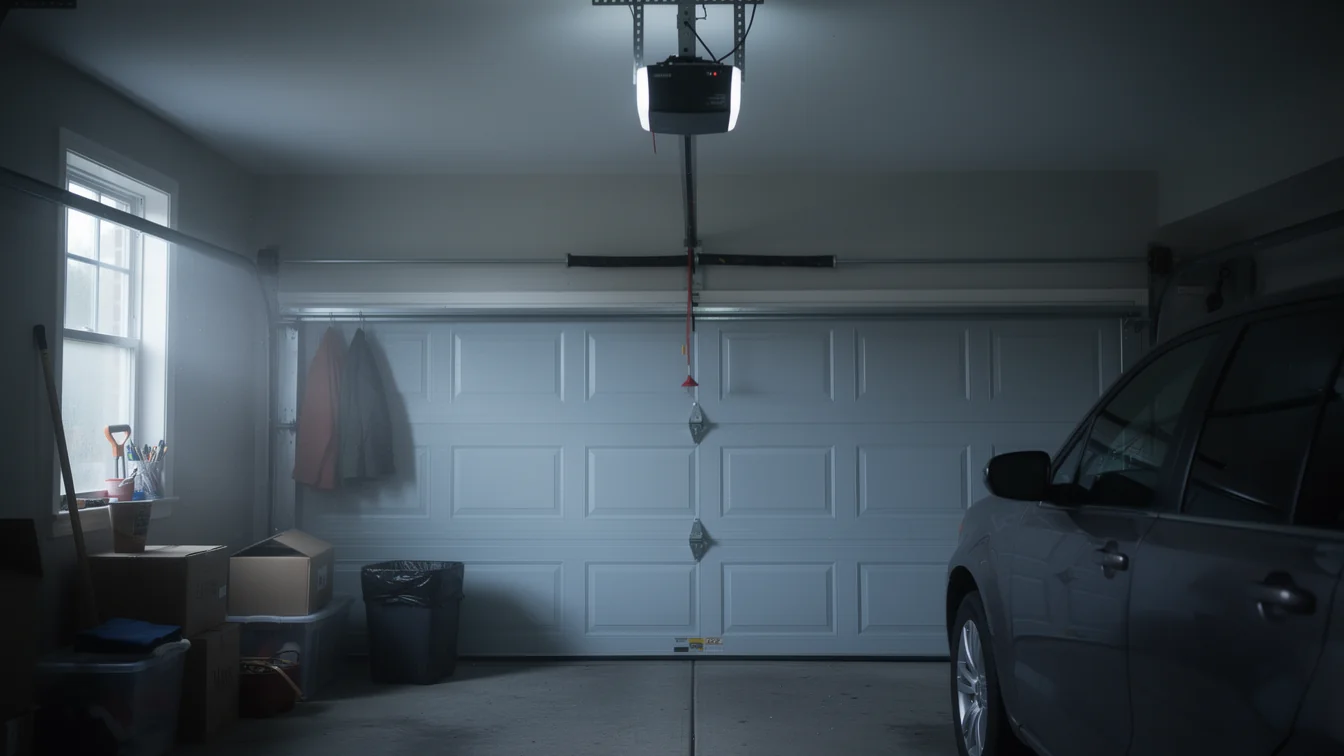 When Your Opener Meets a Joplin Power Cut
Joplin homes built mostly in the 1980s and 90s pair aging openers with winter power cuts.
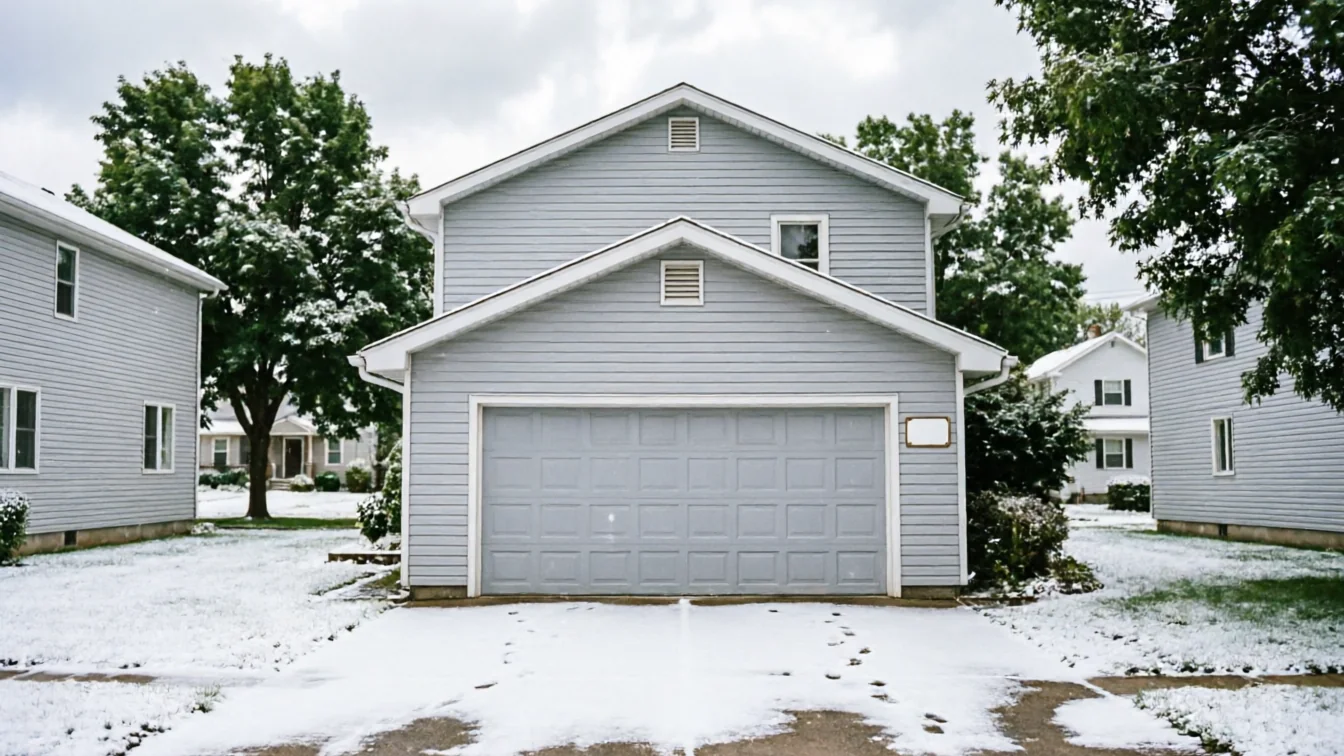 Why Joplin Garage Doors Fail When It Gets Cold
Joplin homes built 1971-2004 run original torsion springs that weren't sized for repeat freeze-thaw cycles.
 What Houses Built Between 1971 and 2004 Mean for Your Door
Most Joplin homes went up between 1971 and 2004, peaking in the 1980s and 90s - that stock brings specific opener wiring and spring problems in cold winters.
Ready when you are
Need a garage door sorted in Joplin?
Joplin Garage Door Pros repairs and installs garage doors, springs and openers in Joplin, MO and the surrounding area.