
Joplin, MO
Garage Door Panel Replacement for Joplin-Area Homes
Panel replacement for Joplin-area garage doors built mostly 1971-2004. What drives the cost, what you can do yourself, and why dents and rust show up here.
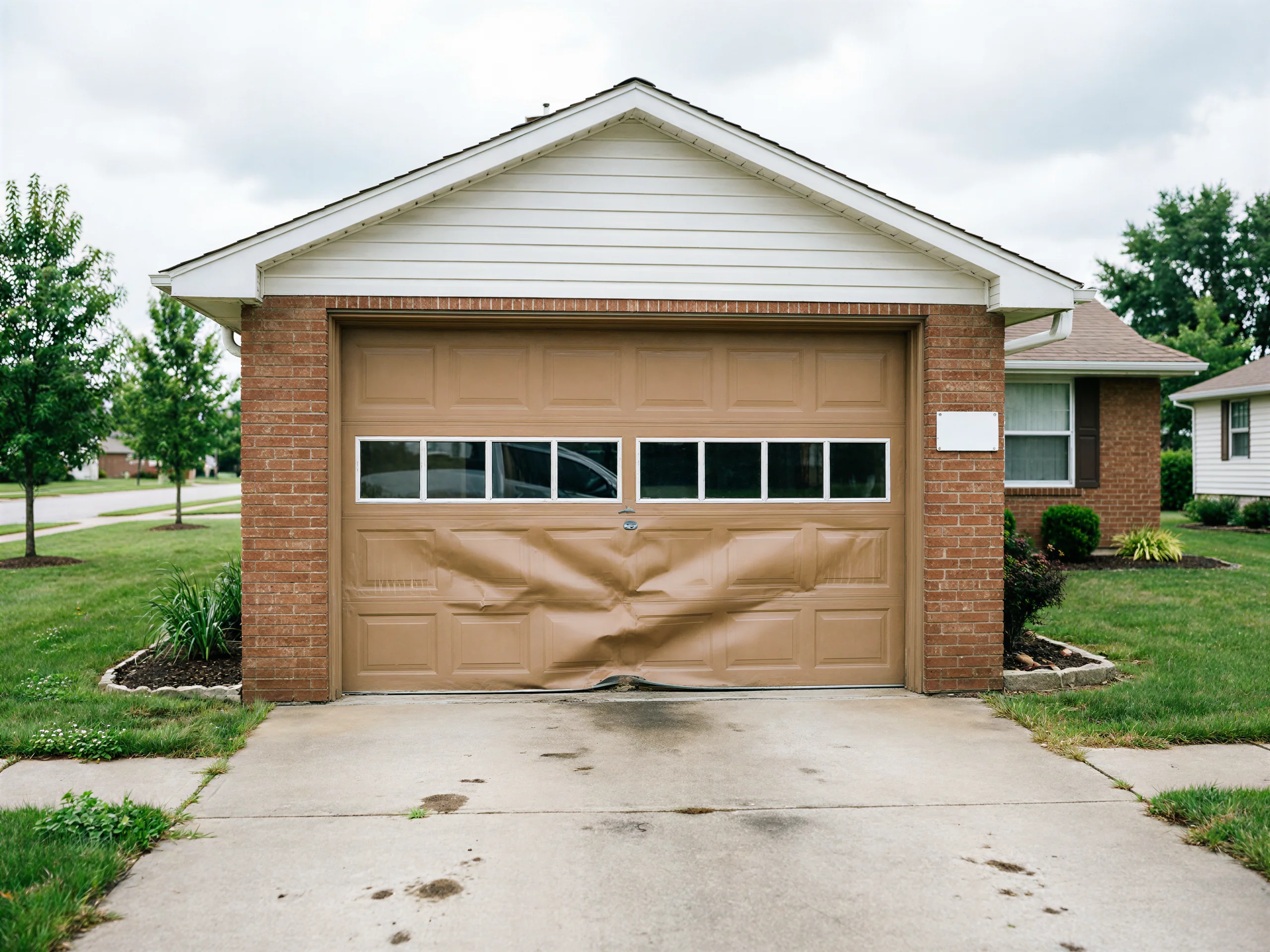
What It Costs
We can't quote a number here because panel cost depends on things that change house to house: the door's age, whether it's a standard raised-panel steel door or something less common, and whether the manufacturer still stocks a matching panel or the whole door has to come off and go to the shop for custom work.
Single panel versus swap
What we can tell you is how owners in this area usually decide. With a median household income of $58,330 across the service area, most people call asking for one panel fixed, not a full door swap, and that's often the right call if the door is still square and the opener isn't straining.
Bottom panel dents
Where it gets expensive is when the dent is on a bottom panel near the track, because that's where the roller and hinge hardware attach, and a warped panel there can throw the whole door out of alignment.
Panel profile special orders
If your door is from the 1980s or 90s window that a lot of this area's housing falls into, matching the exact panel profile sometimes means special-order lead time rather than a same-week fix. We'll tell you straight if replacement makes more sense than a patch job before we start billing for parts.
Doing It Yourself
A single dented panel on a sectional door is one of the more DIY-friendly garage door jobs, and we'd rather tell you that than sell you a call you don't need.
Order by model number
If the panel is cracked or bent but the door still opens and closes smoothly, you can often order a replacement panel directly from the door manufacturer using the model number on the inside of the door, then swap it yourself with basic tools and a helper to hold the section steady.
Dents near hinges
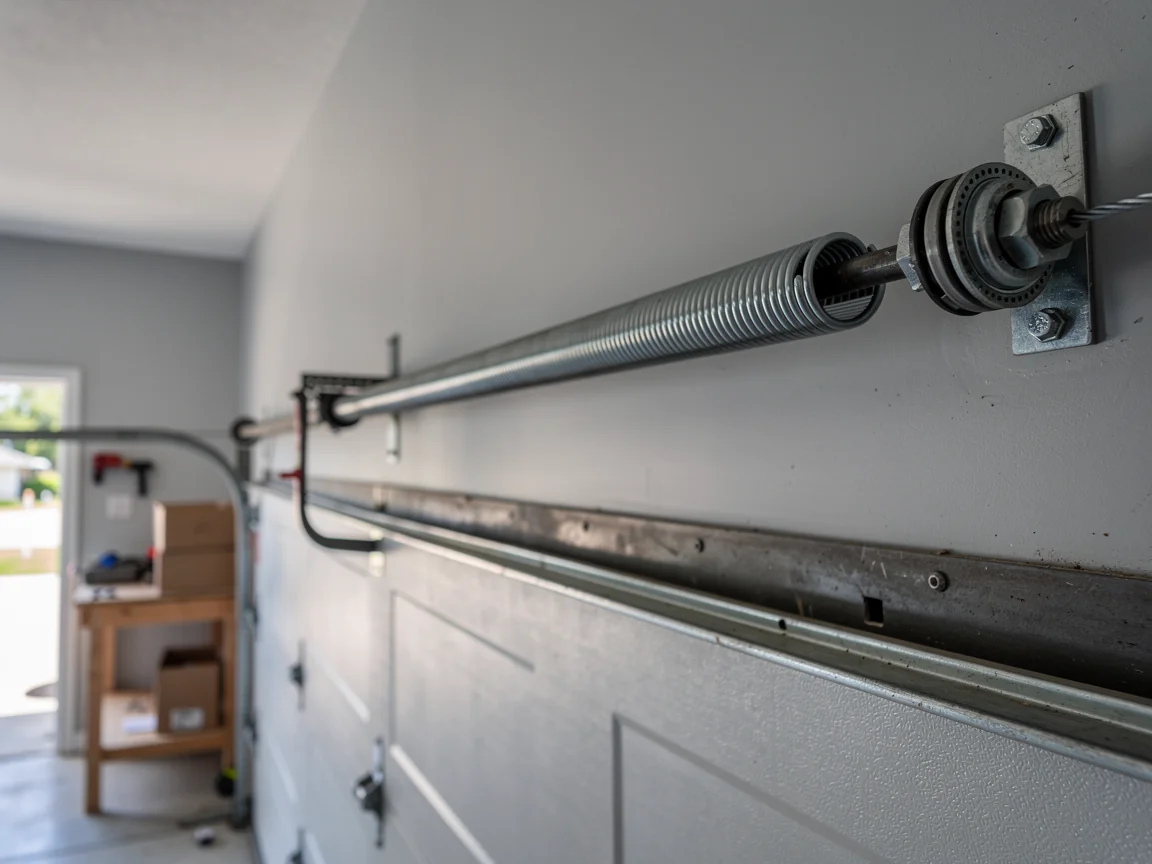
Where we'd stop you: if the dent is near a hinge or roller bracket, if the door binds or drags when you open it, or if you've got a torsion spring overhead. Springs store enough force to break a wrist, and panel work that involves disconnecting the door from its cables or opener arm is not a solo job.
Glued foam-steel panels
Also worth knowing - insulated panels from the 1990s and 2000s often use a foam-and-steel sandwich that's glued, not just screwed, so a generic replacement panel may not seat right without some trimming. If you get partway in and the door won't sit flush, that's the point to call rather than force it.
How It Shows Up
Panel damage around here shows up two ways: sudden and slow. Sudden is a car bumper, a basketball, a trailer hitch backing in wrong - a dent or a split seam you notice the same day.
Gutter splash damage
Slow is what we see more often on the older end of the area's housing stock, built back in the 1970s through the 1990s. Bottom panels take the brunt of it: splash-back from gutters without extensions, lawn equipment clipping the edge, or just years of the door closing slightly off-track and the corner panel absorbing the impact every time.
Rust along panel seams
On steel doors without a factory finish refresh, you'll also see rust bubbling up from the inside out along panel seams before it ever shows on the painted face - by the time you can see it, the steel underneath has usually been corroding for a while.
Bowed panel seam gaps
If a single panel on your door looks fine but the one next to it is bowed or doesn't line up at the seam anymore, that's usually a sign the track or rollers need attention too, not just the panel.
Why It Happens Here
The service area's housing is mostly a 1971-to-2004 build, with the heaviest concentration going up in the 1980s and 90s. That generation of garage doors is old enough that the steel has had three or four decades of freeze-thaw cycling to work on it, but not so old that it's already been replaced wholesale the way doors from the 1960s often have been. Joplin sits in a cold-moderate climate band, which means panels aren't dealing with one brutal month a year - they're cycling through freeze and thaw repeatedly across a long winter, and that repeated expansion and contraction is what pops seams and loosens the hem seal at the bottom panel over time. Across the 14 communities in this service area - from Duquesne two miles out to Seneca seventeen miles away - the housing stock runs that same general range, so the failure pattern doesn't change much from one town to the next even though the specific door brands and ages do. With roughly 13,385 owner-occupied houses in that 1980s-90s window, exact-match replacement panels for some older models aren't always sitting on a shelf anywhere nearby, which is the honest limitation worth knowing before you set your heart on a perfect color match.
Questions
Common questions
Can I replace just one panel instead of the whole door?
Usually, yes, if the door is a standard sectional style and the manufacturer still makes that panel profile. The tricky part is color and texture match on older doors - paint fades differently over 20-30 years, so a new panel can look slightly off next to the rest. We'll tell you honestly if a partial swap will look mismatched before you commit to it.
Why does my bottom panel rust from the inside?
Moisture gets trapped between the steel skin and the insulation backing, especially on doors from the 1980s-90s where the seal design wasn't as tight as current doors. In a cold-moderate climate like this area's, that trapped moisture freezes and thaws repeatedly, which speeds up the corrosion from the inside before it ever shows on the painted surface.
Is it cheaper to replace one panel or the whole door?
It depends on the door's age and how many panels are damaged. One panel on a door that's otherwise sound is almost always cheaper than a full replacement. But if the door is already near the end of its service life or the matching panel requires special order, a full replacement sometimes costs less in the long run than chasing parts for an aging door.
Explore more
Explore More Services In Joplin, MO
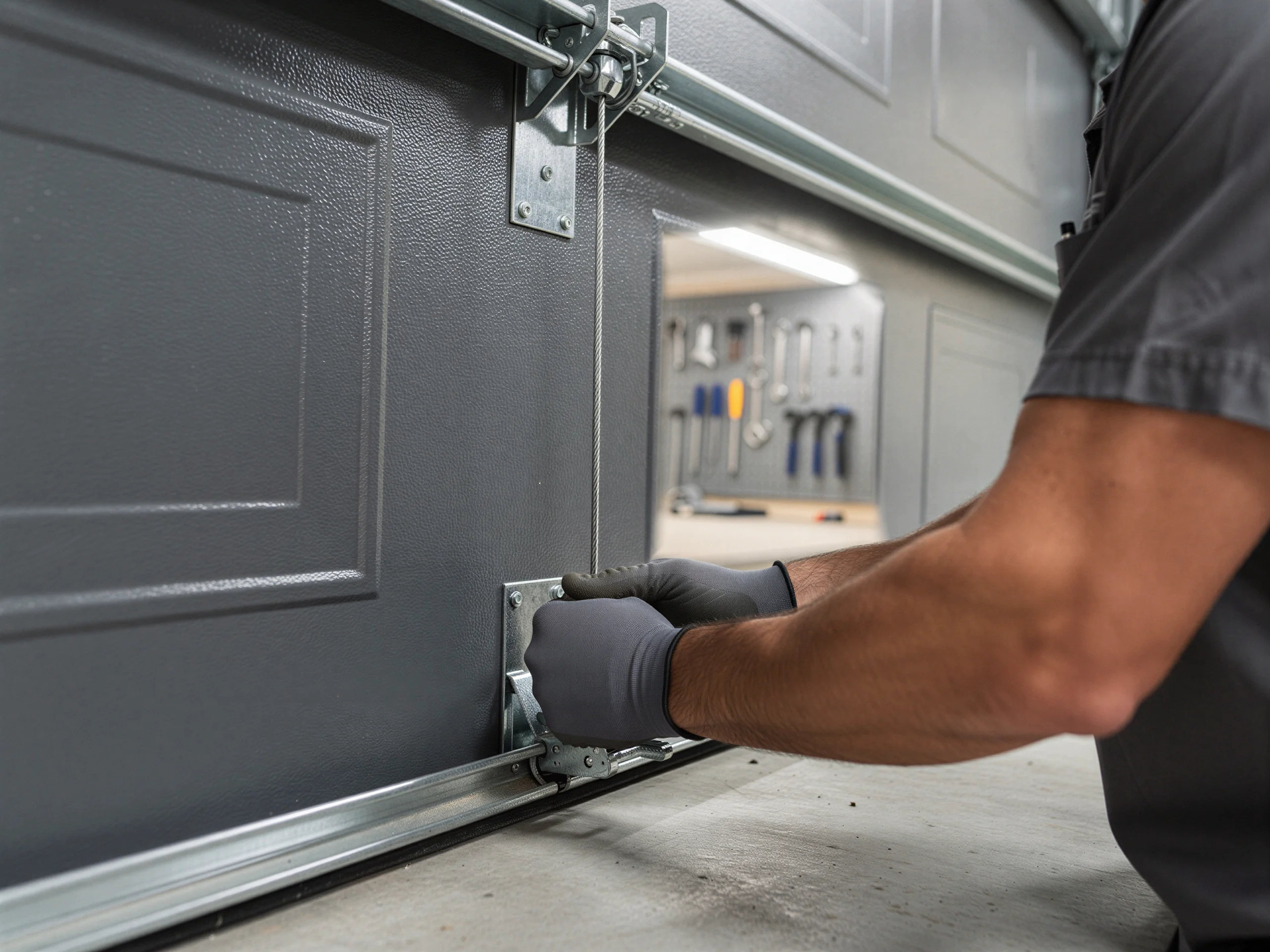
Garage Door Cable Repair Across the Joplin Service Area
Snapped or frayed garage door cables are common in Joplin's 1970s-2000s housing stock. Learn more →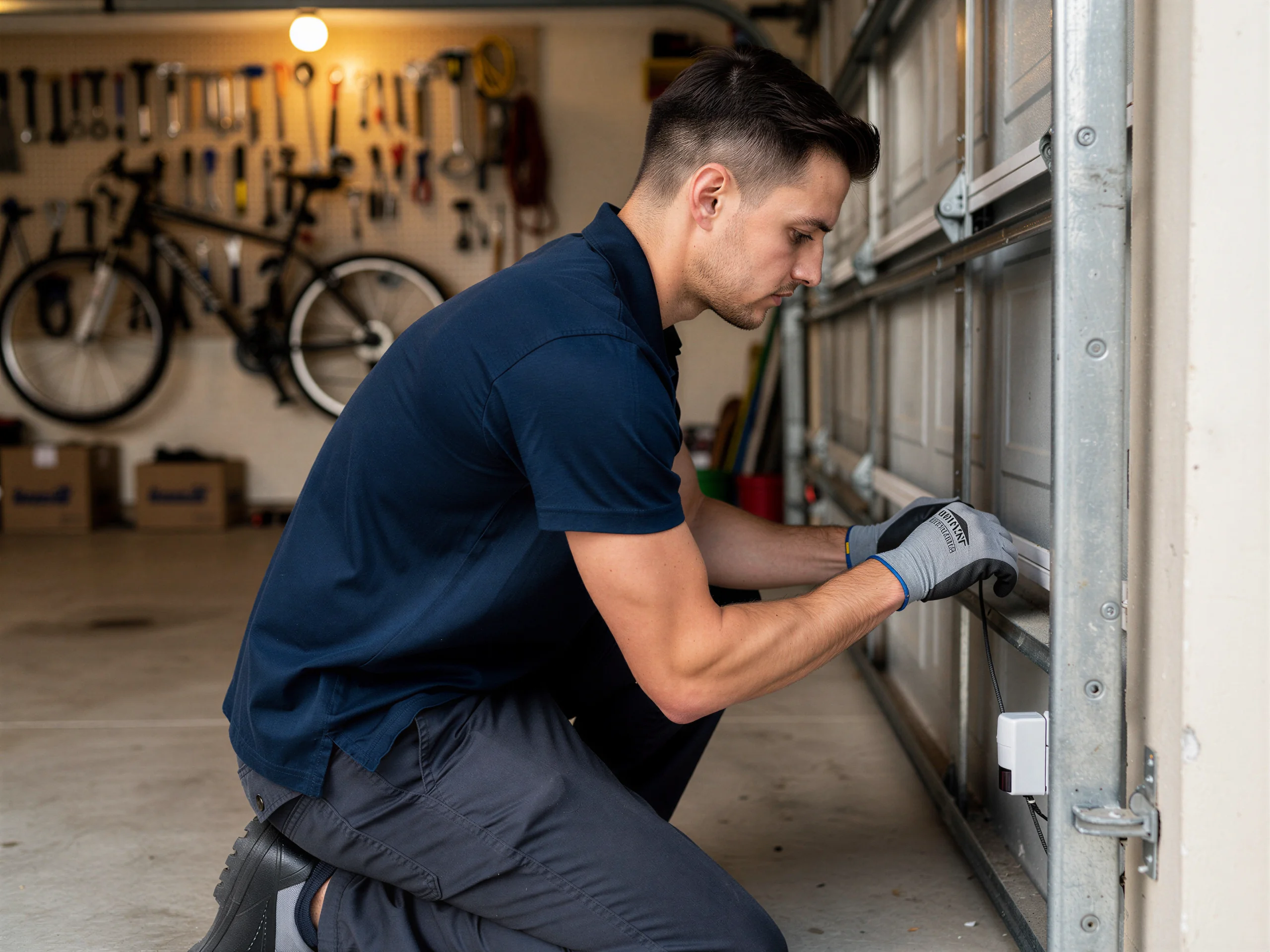
Garage Door Service for Joplin Homes Built Between 1971 and 2004
Joplin Garage Door Pros repairs torsion springs, rollers, and tracks worn by Joplin, MO's 1970s-2000s housing stock and cold winters, not far from Duquesne. Learn more →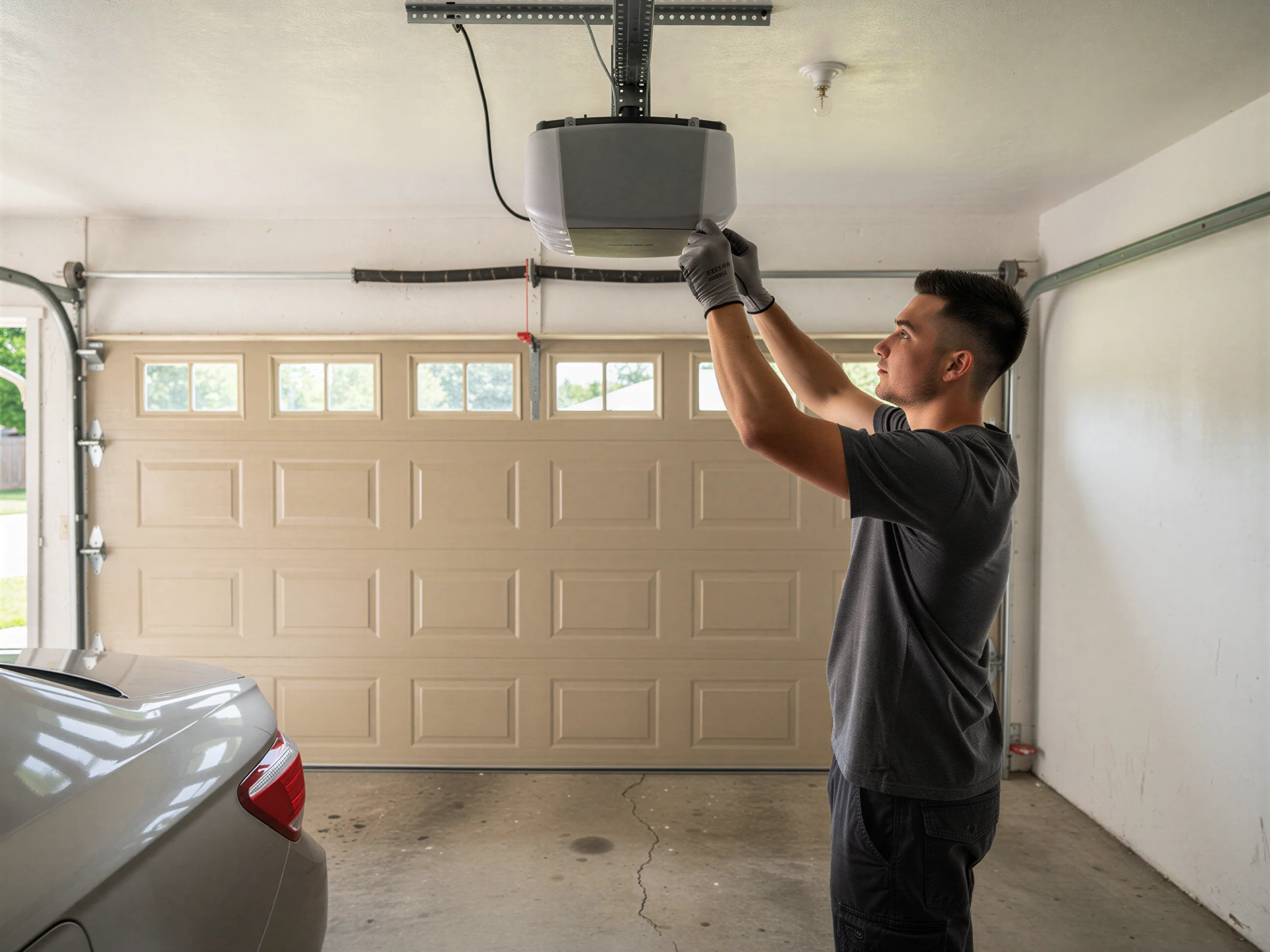
Garage Door Opener Installation Across the Joplin Area
Opener installation and replacement for Joplin-area homes, where most openers date to the 1980s and 90s housing boom and cold winters add extra strain on the gears. Learn more →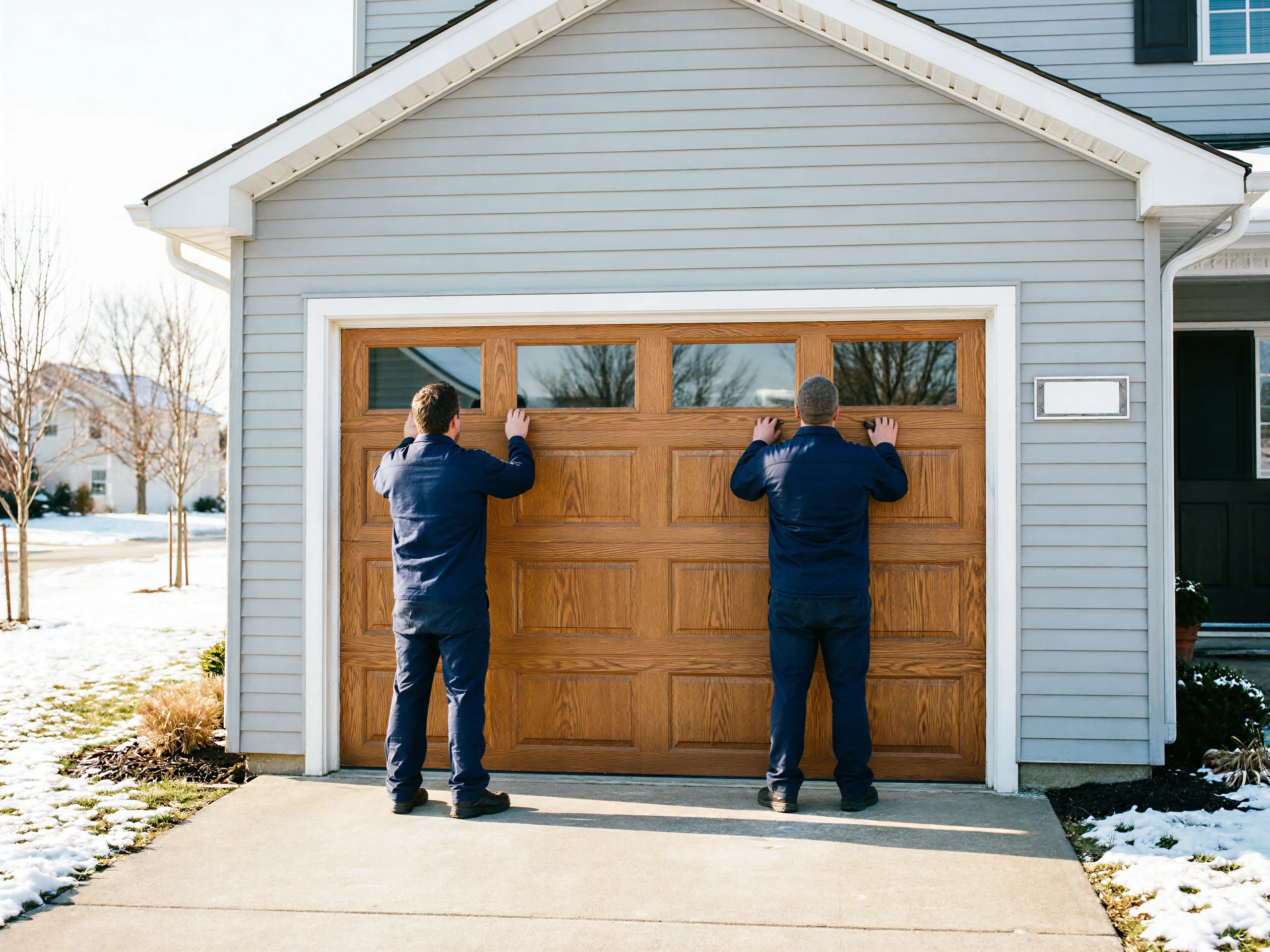
Garage Door Installation, Joplin MO
New garage door installation sized for Joplin's 1970s-2000s housing stock and cold-moderate winters. Learn more →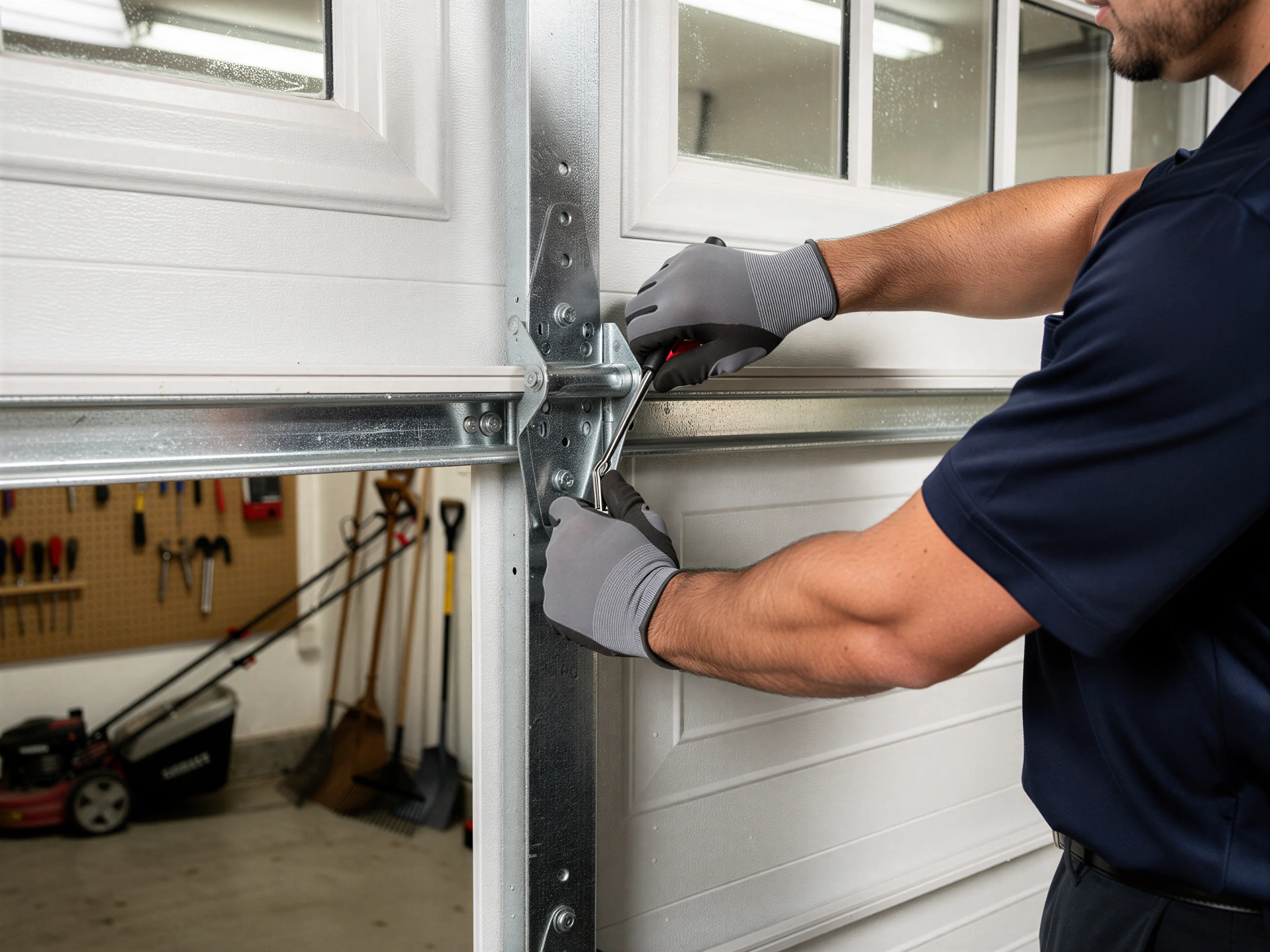
Garage Door Repair for Joplin Homes
Garage door repair for Joplin homes built mostly between 1971 and 2004, where original springs and openers are now reaching the end of their service life. Learn more →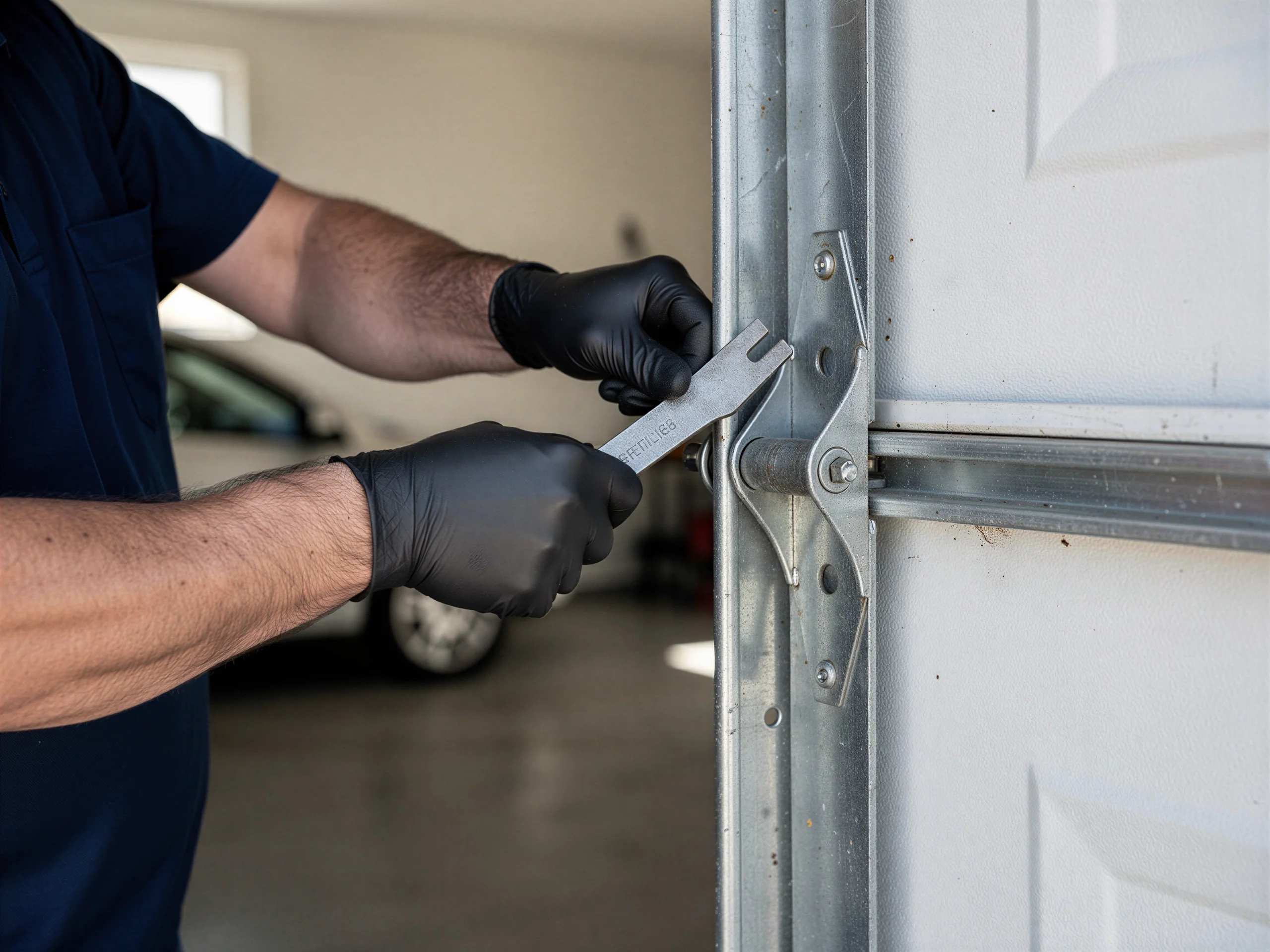
Garage Door Off Track: What's Going On and What To Do
A garage door off its track is common in Joplin's 1970s-2000s housing stock. Learn more →Ready when you are
Need a garage door sorted in Joplin?
Joplin Garage Door Pros repairs and installs garage doors, springs and openers in Joplin, MO and the surrounding area.