
Carthage, Joplin
Garage Door Repair for Carthage Homes
Garage door repair for Carthage, MO homes built mostly in the early 1970s - older torsion hardware and worn rollers, serviced from Joplin, 11 miles out.
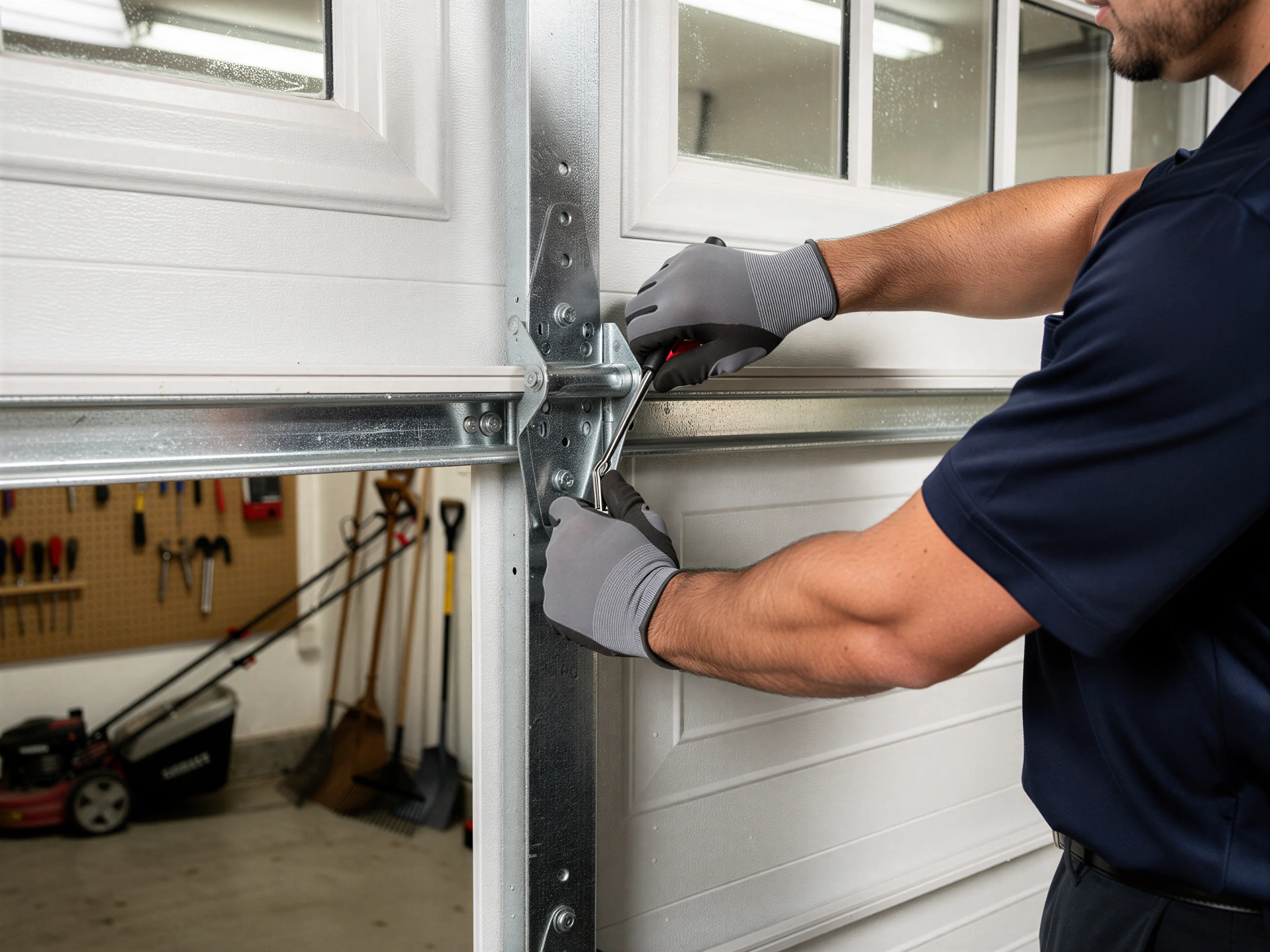
How to Book
We run this job out of Joplin, about 11 miles from Carthage, so there's no local branch to call - just the one number that reaches the same crew that handles Joplin itself.
Symptom and house age
Tell us the symptom (door won't open, spring snapped, opener clicking and not lifting) and roughly how old the house is. That second detail matters more here than in most of the areas we cover, because Carthage's housing stock runs older than the typical build year across our service area - median year built here is 1973, versus 1984 across the wider 14-area footprint we work.
Spring size by era
A door installed on a house from the early '70s is a different repair than one from a 1990s build, and knowing that before the truck leaves saves a second trip for the right spring size or the right track hardware.
No distance surcharge
We service Carthage as part of our regular route, not as a special trip, so there's no surcharge tied to the distance - but we do ask that you flag the approximate age of the door itself if you know it, since it's often older than the house.
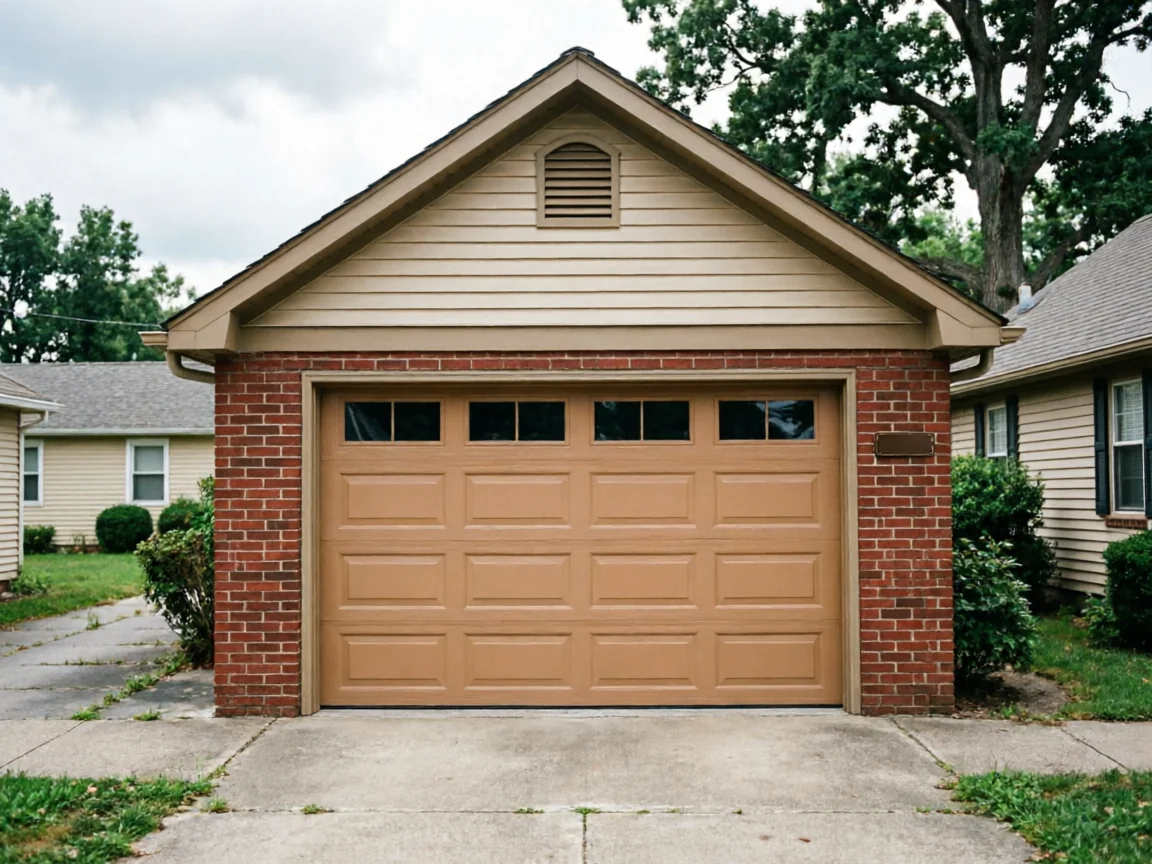
How It Shows Up
On a house built in 1973, the most common call isn't a broken spring out of nowhere - it's a door that's been getting heavier to lift for months before it finally gives out.
Stretching extension springs
Extension springs from that era stretch and sag rather than snap clean, so owners often describe the door as "slow" or "uneven" before it fails completely. Torsion setups installed later tend to fail suddenly instead, which is one reason Carthage service calls read differently than calls from the newer-built pockets of our coverage area.
Drum fraying and groove hop
You'll also see cable fraying at the drum on original hardware that's never been swapped, and rollers that have gone from steel to a worn groove that lets the door hop a track.
Sagging door final failure
None of this is dramatic until it is - a sagging door one week is a door that won't lift at all the next, once a cable finally lets go under the strain it's been under for a while.
Why It Happens Here
Carthage sits in a cold-moderate climate band, which means hardware here deals with the seasonal swing of a real winter and a real summer rather than a flat climate - metal contracts and expands, grease stiffens, and parts that are already original to a 1973 build have had five decades of that cycle to work on them. That's not unique to this one town, but combined with the build-year gap we mentioned - this area's median year built sits well below the 1984 median across our 14-area footprint - it means a larger share of Carthage doors are running on hardware nobody manufactures to spec anymore. Median household income in Carthage runs around $50,849, noticeably under the $58,330 median across the service area as a whole, and that shapes the calls too: more owners ask us to repair what's there before we talk about replacement, and more jobs involve matching an odd-sized panel or an obsolete spring rather than a straightforward swap.
Where This Job Goes Sideways
The job gets expensive fast when a cable or roller failure on an older door takes the track out of alignment on the way down - what looked like a $150 spring call turns into a bent track and a dented panel because nobody caught the slow sag early.
Opener mismatched to hardware
We also run into doors where the opener has been replaced once or twice over the years but the original springs and drums from 1973 never were, which means the opener is fighting hardware it was never sized for.
Wear across three systems
Honest limitation: if the door is original to a house built in the early '70s and the track, springs, and panel are all showing wear at once, we'll usually tell you replacement beats repair - patching three failing systems at once on obsolete hardware costs more over a year than one new door does.
Doing It Yourself
If your door is sagging rather than stuck, you can check two things before calling anyone. First, look at the spring itself - on an older extension-spring setup, a visibly stretched coil or a gap between coils that wasn't there before is your warning sign, and it's not a DIY fix once you see it, since that spring is under real tension. Second, check the rollers for a flat spot or a worn groove; those you can sometimes replace one at a time without touching the spring system at all, and it's cheap insurance against the roller jumping the track later. What you shouldn't touch yourself: anything involving the torsion or extension spring, the cable at the drum, or the track alignment once the door's already come off level. On hardware this old, the stored tension in a spring that's outlived its intended life is the one place a homeowner repair turns into an ER visit.
Questions
Common questions
Is Carthage too far out for a repair call from Joplin?
No - Carthage is about 11 miles from Joplin and is part of our regular service route, not a special trip. There's no distance surcharge for it.
Why does my 1970s Carthage house need different parts than my neighbor's newer build?
Houses here were mostly built around 1973, well before the 1984 median across our wider coverage area, so a lot of original torsion or extension hardware from that era needs parts sized differently than what's common on 1980s-90s builds.
My door is sagging but still opens - is that urgent?
Treat it as a warning, not an emergency. A sagging door usually means a stretched spring working up to failure. It's worth a call before it snaps outright and risks the track or panel on the way down.
Is it ever better to replace than repair an older door?
Yes - if the springs, track, and panel on an original 1970s-era door are all showing wear at the same time, replacing the whole door usually costs less over time than repeatedly patching obsolete hardware.
Explore more
More Services in Carthage
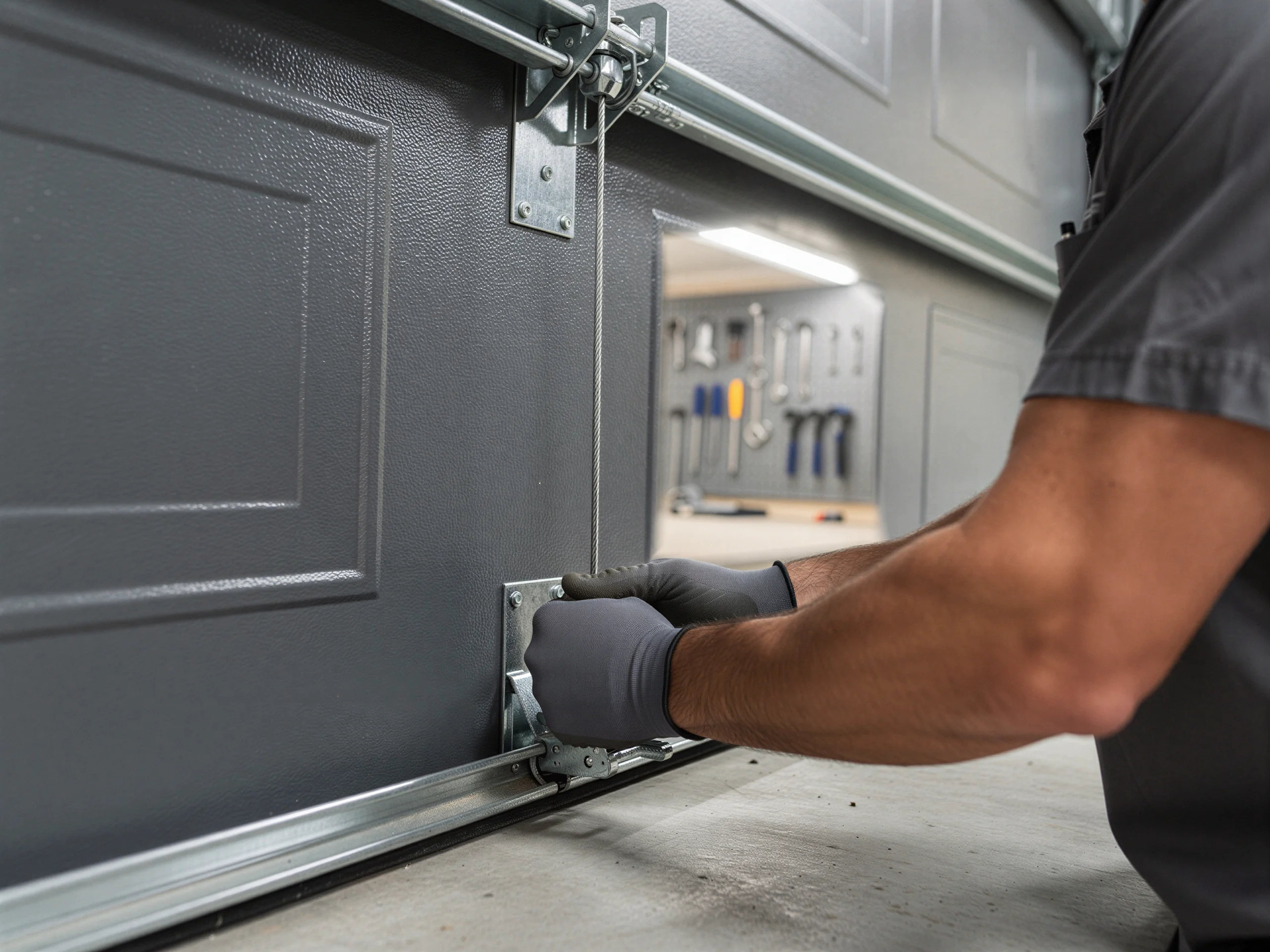
Cable Repair
Cable repair for Carthage's early-1970s garage doors - snapped lift cables, frayed strands, and safety cable swaps. Learn more →
Garage Door Service
Carthage homes mostly date to 1973, a decade before the service area's median build year - that gap means different springs, different openers, and a different fault pattern. Learn more →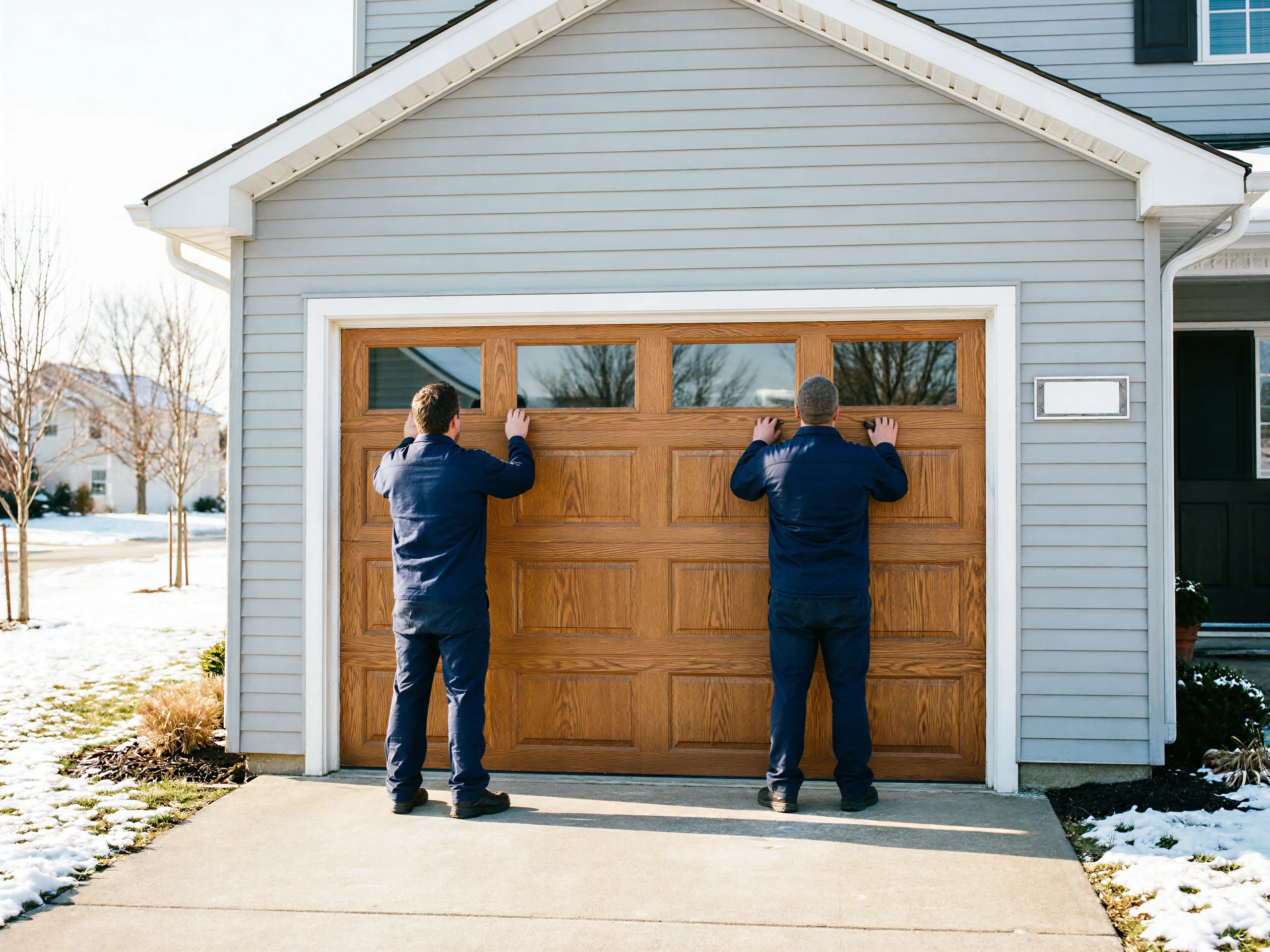
New Door Installation
Carthage homes median out at 1973-built, a decade ahead of the area norm. Learn more →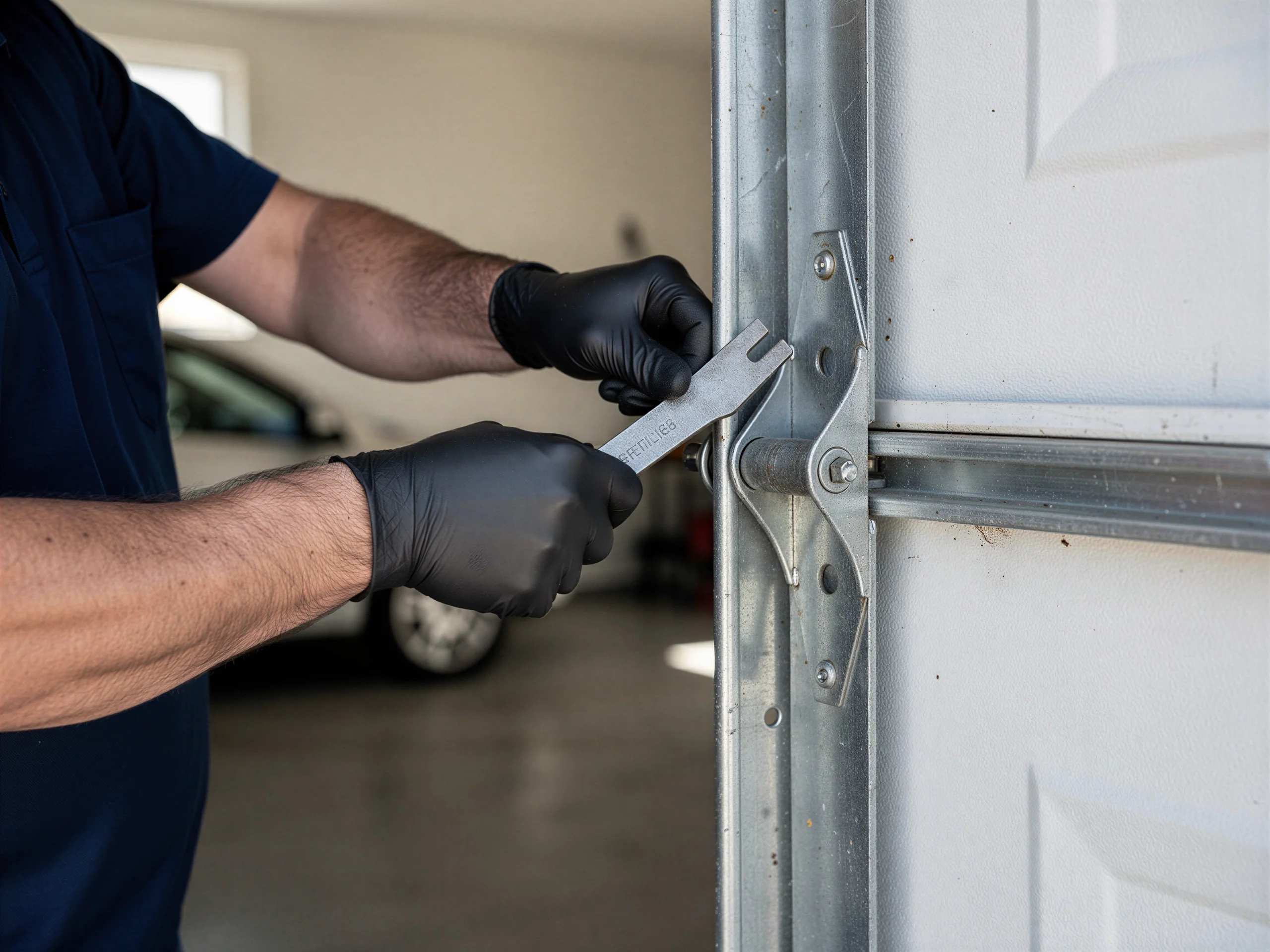
Off Track Repair
Carthage homes mostly went up around 1973, meaning older track and roller hardware. Learn more →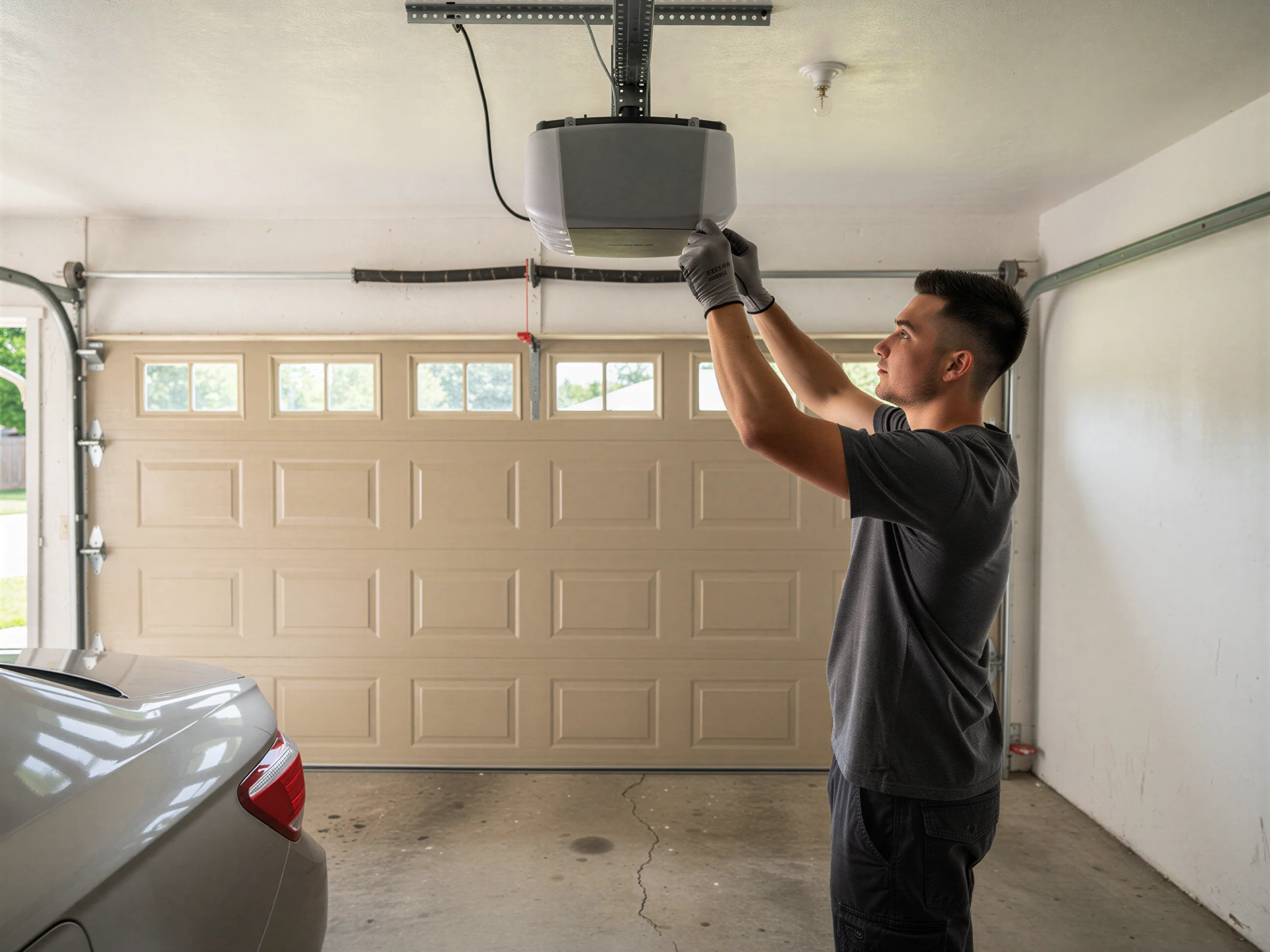
Opener Installation
Opener installs in Carthage, 11 miles from our Joplin shop, sized for 1970s-era houses and the cold-season loads that come with this stretch of Missouri. Learn more →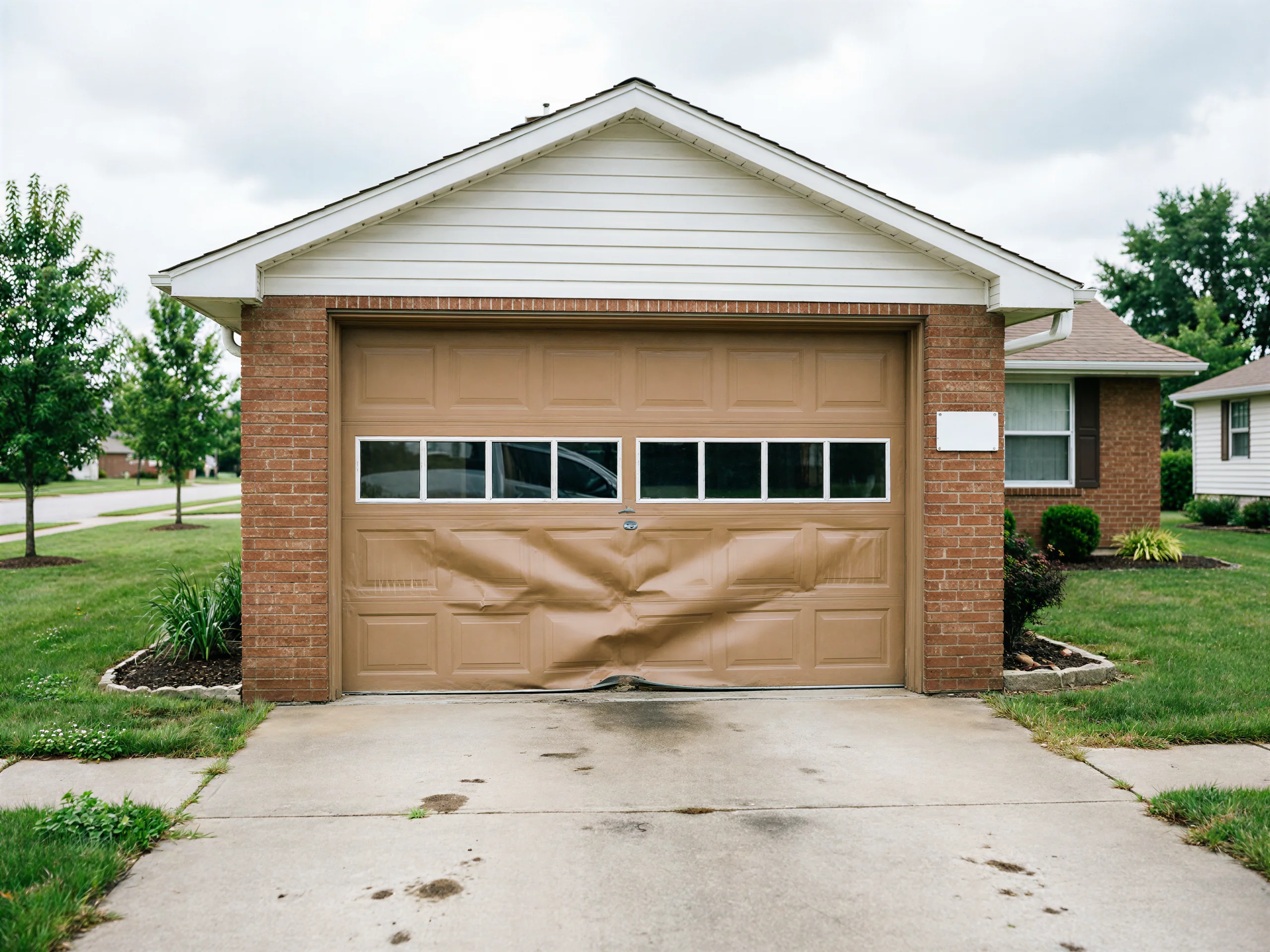
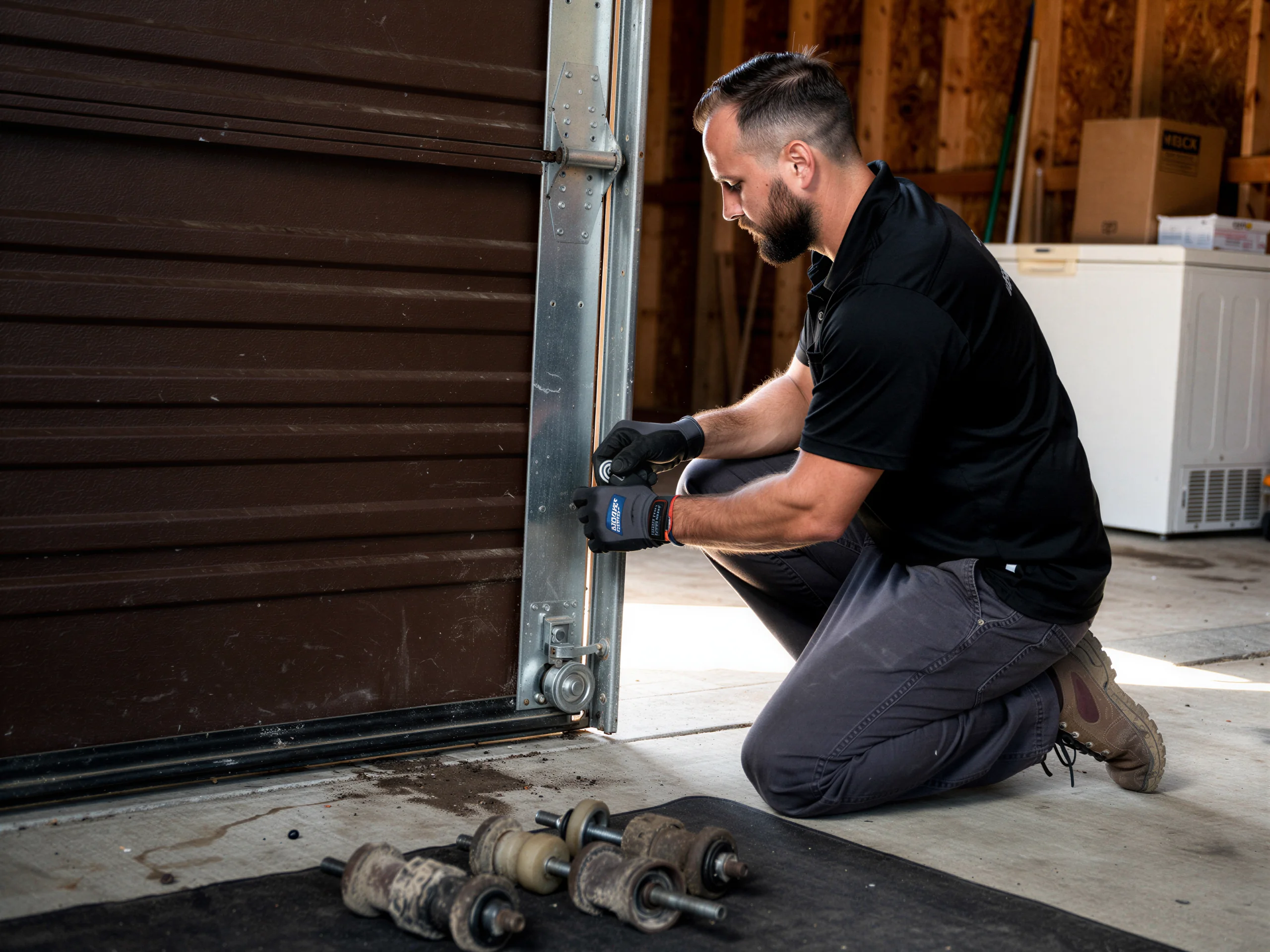
Roller Replacement
Carthage homes built around 1973 often still run steel rollers on original track. Learn more →Ready when you are
Need a garage door sorted in Joplin?
Joplin Garage Door Pros repairs and installs garage doors, springs and openers in Joplin, MO and the surrounding area.